

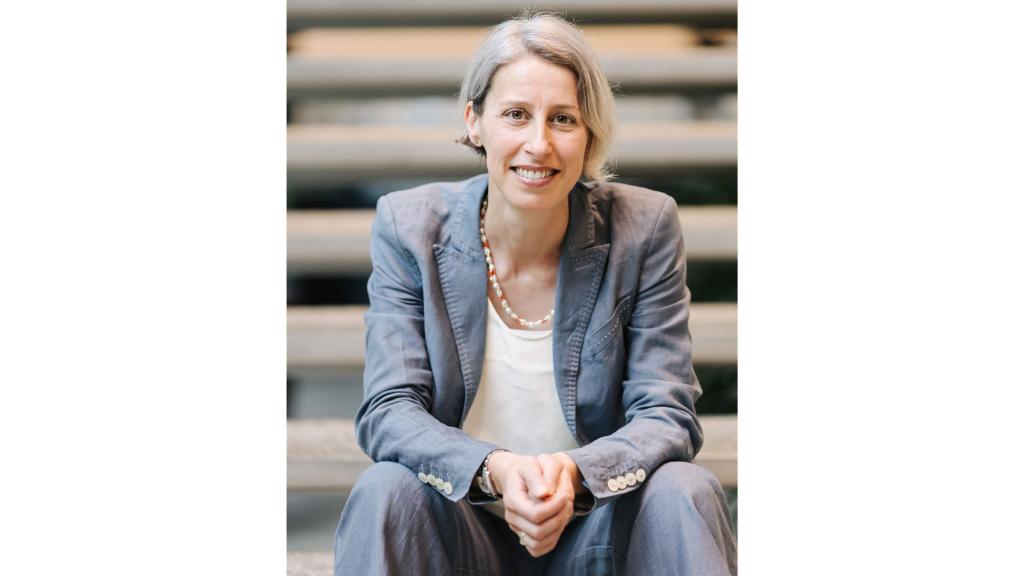
Ilaria Mosca, Partner, Tagliente
Servizio alumni
3 September 2026
In order to help current students and recent graduates to find their way in the working world, many of our alumni shared their career story. Here the story of Ilaria Mosca, Partner at Tagliente in Utrecht (NL). USI Degrees: PhD in Economics, 2005 and 4 years degree in Economics, 2001.
How did you start your career?
I have always loved learning and decided to pursue a PhD in Economics with Prof. Filippini after my MSc in Economics. I had many interests but focused on the health sector during my PhD. After winning a prestigious grant from the Fondo Nazionale Svizzero, I moved to the Netherlands. I never fully identified with the traditional academic path, so I quickly decided to work part-time for different universities and part-time with the Dutch government.
Why did you choose a career at Tagliente?
Spoiler alert: I have run my own consulting company for almost a decade. I was never someone with a clear plan of working for a single organization for my entire career. I enjoy challenges, moving abroad without speaking a word of Dutch being one example, and I prefer work that is not repetitive, as I quickly find that boring. That is why, early in my career, I combined academic research with policymaking. After about a decade, I moved into private consultancy, and later into consultancy for international organizations such as the World Health Organization, World Bank, UNICEF, and ILO, as well as bilateral development agencies such as GIZ and SDC.
What is your current role/duties?
I am a partner at Tagliente, and my role is very diverse: financial management of the organization, business development, networking, partnerships, analytical work, strategic advice, and policyoriented support.
In your opinion, what are the qualities necessary for a successful career at Tagliente?
An open mind and willingness to learn, openness to different perspectives, the ability to understand client needs, and being responsive and wellorganized in order to deliver high-quality work on time.
What positive aspects and qualities meant most to you during the study programme you attended?
I enrolled at USI in 1997, the second year of its existence. The small-scale environment and direct access to professors and assistant professors were a major advantage. Being exposed to multiple languages and cultures was also something I greatly valued and which has supported me throughout my international assignments.
What competences and skills acquired in your USI Study Program have been useful/are useful to your professional career?
I would say analytical skills, above all.
What is your advice to USI students entering the job market?
Nowadays, people tend to expect results immediately. We are living in the AI era, where it is easier to ask AI to write a text or complete an assignment than to carry out the analysis ourselves. I find this concerning. Results will come with hard work, a strong network, and a willingness to challenge yourself regularly.